How to Build a Hummingbird Habitat in Your Backyard
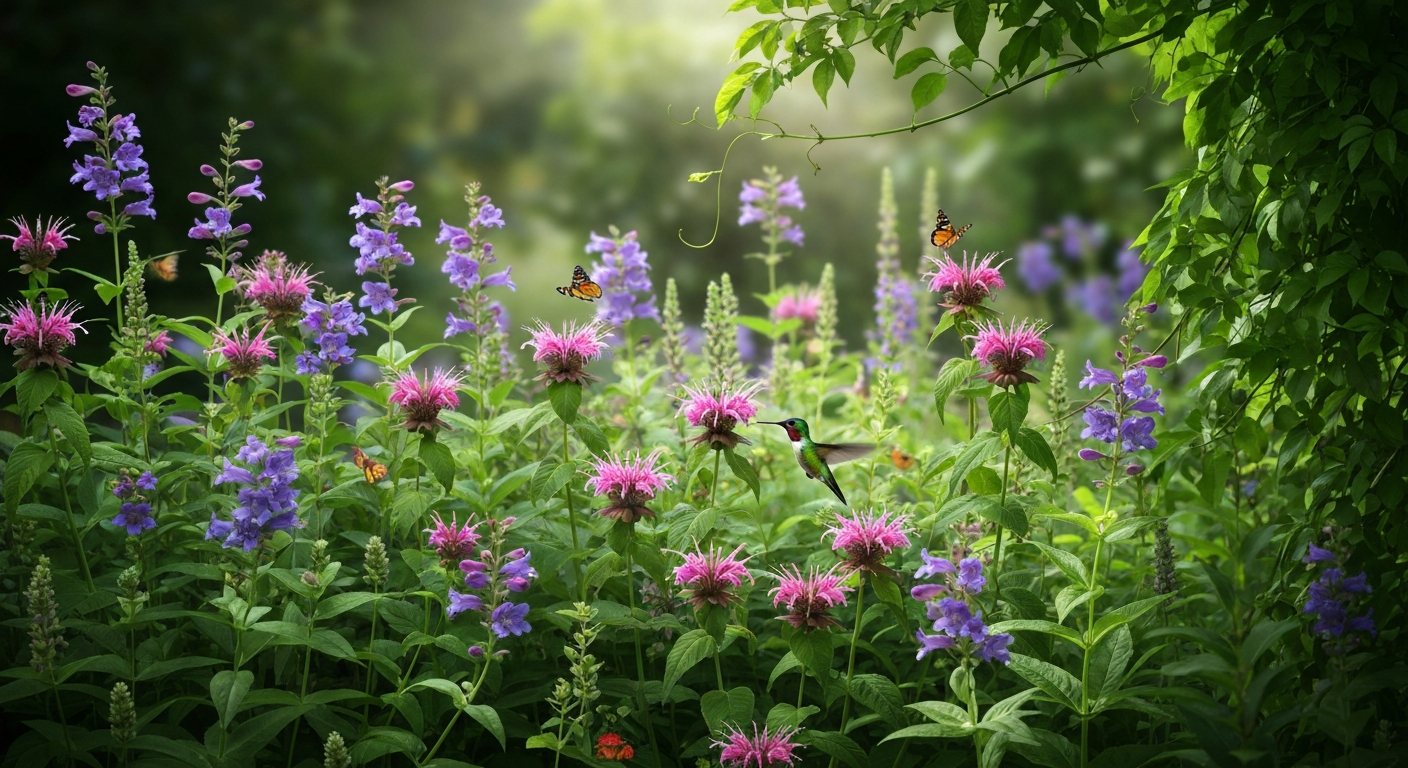
Creating a hummingbird habitat isn't about buying the fanciest equipment or planting the most expensive flowers. It's about understanding what these birds need to thrive and building those elements into your space systematically.
After trial and error on our East Texas homestead, we've learned that the most successful habitats share four essential elements: reliable food sources, accessible water, safe shelter, and protection from threats. Build these components thoughtfully, and you'll create a space that supports hummingbirds through their entire annual cycle.
Planning Your Hummingbird Habitat
Before you dig or buy anything, walk your yard and observe. Note which areas get morning sun, where water drains, and where you can see from your windows. Hummingbirds prefer edges — the transition zones between open areas and shelter.
The best habitats layer different heights. Tall trees provide perching spots and nesting sites. Mid-level shrubs offer protection. Ground-level flowers supply nectar at eye level where you can watch feeding behaviors.
Start small. Pick one corner or section of your yard for the initial habitat. You can always expand once you see what works in your specific conditions.
Element 1: Food Sources ($50–200)
Hummingbirds need consistent food sources from early spring through late fall. In most regions, this means combining nectar-rich flowers with properly maintained feeders.
Native Flowering Plants
Plant native flowers that bloom in succession. Ruby-throated hummingbirds arrive in the Gulf Coast states by mid-March, reaching the northern states by May. Your habitat should have something blooming from their arrival through their departure in early fall.
Early season options include native azaleas, wild columbine (Aquilegia canadensis), and coral honeysuckle (Lonicera sempervirens). These establish the nectar flow when hummingbirds first arrive and territory competition is fierce.
Mid-season powerhouses are bee balm (Monarda), cardinal flower (Lobelia cardinalis), and trumpet creeper (Campsis radicans). Cardinal flower especially draws hummingbirds from considerable distances.
Late season fuel comes from native asters, Joe Pye weed (Eutrochium), and jewelweed (Impatiens capensis). These late bloomers provide critical energy for migration.
Budget for native plants: $75–150 depending on size and quantity.
Feeders as Supplements
Feeders supplement natural food sources, especially during migration when energy demands peak. Place feeders where you can easily clean them — hummingbirds prefer fresh nectar over convenient locations.
Choose feeders with red accents but avoid red dye in the nectar mix. Glass feeders last longer than plastic and don't retain odors. Plan for one feeder per 2–3 regular visitors, spaced at least 10 feet apart to reduce territorial disputes.
Clean feeders every 3–4 days in moderate weather, daily when temperatures exceed 85°F. Fermented nectar can harm hummingbirds.
Budget for feeders: $25–75 for 2–3 quality feeders.
Element 2: Water Features ($30–150)
Hummingbirds drink frequently and bathe daily when possible. They prefer moving water they can hear and see, but avoid deep containers or strong currents.
Drippers and Misters
A simple dripper creates the sound and movement that attracts hummingbirds from surprising distances. Attach a drip attachment to any elevated water source — even a gallon jug with a small hole works.
Misters provide bathing opportunities. Hummingbirds fly through fine spray to wet their feathers, then perch nearby to preen. Position misters near perching spots but not directly over feeders.
Solar-powered water features eliminate extension cord issues and operate when hummingbirds are most active. Look for adjustable flow rates.
Shallow Water Sources
Create shallow pools using plant saucers or purpose-built bird bath inserts. Keep water depth under one inch. Add small stones or twigs for perching spots.
Place water features where you can easily refill them. Hummingbirds remember reliable water sources and return daily once they locate them.
Budget: $30–80 for basic dripper setup, $75–150 for solar fountain or mister system.
Element 3: Shelter and Nesting Areas ($40–120)
Hummingbirds need different shelter throughout the year. During nesting season, females require specific materials and placement options. Year-round, both sexes need perching spots and protection from weather.
Trees and Shrubs for Structure
Plant or preserve trees 15–25 feet tall with horizontal branches. Deciduous trees like oaks, maples, and elms provide ideal nesting frameworks. Females typically build 10–20 feet high on branches extending over open areas.
Dense shrubs create protective cover during storms and roosting spots for nighttime. Native options include elderberry, spicebush (Lindera benzoin), and native viburnums.
Nesting Materials
Provide natural nesting materials rather than synthetic alternatives. Female hummingbirds collect spider webs for nest construction — avoid spraying areas where orb weavers build. They also gather plant down, moss, and lichen for nest exteriors.
Leave areas of your yard less manicured during nesting season. Dead flower heads, loose bark, and natural plant materials support nest building.
Consider hanging small amounts of cotton or natural fibers in mesh bags, but place them away from feeders to avoid territorial conflicts.
Budget: $40–120 for native shrubs and trees, depending on size.
Element 4: Safety Measures ($20–100)
Creating safety within your hummingbird habitat requires eliminating threats and making necessary features visible to flying birds.
Window Strike Prevention
Hummingbirds fly at speeds up to 30 mph and cannot always distinguish glass from open space. Place feeders either within 3 feet of windows or more than 30 feet away. The close placement gives birds insufficient speed to injure themselves if they hit glass.
Apply window decals, screens, or hanging ribbons to break up reflective surfaces. These need sufficient coverage to be effective — sparse decals don't help.
Budget: $15–30 for window decals or screening.
Predator Management
Keep cats indoors or create enclosed outdoor runs. Cats kill over 2 billion birds annually in North America. Even well-fed house cats retain hunting instincts.
Position feeders and water sources away from dense ground cover where cats can hide. Maintain clear sight lines around feeding areas.
Avoid placing feeders near bird houses used by other species. Concentrated bird activity attracts predators.
Chemical-Free Zone
Eliminate pesticides, herbicides, and synthetic fertilizers within your hummingbird habitat. These chemicals accumulate in nectar and can poison hummingbirds directly or eliminate the small insects they need for protein.
Use integrated pest management approaches: beneficial insects, companion planting, and physical barriers instead of chemical treatments.
Budget: $0–50 for organic alternatives if transitioning from chemical lawn care.
Implementation Timeline and Costs
Spring preparation (March–April): Install feeders and water features, plant early-blooming flowers. Budget: $100–200.
Growing season (May–August): Add mid and late-season plants, monitor and maintain water features. Budget: $50–100.
Fall assessment (September–October): Evaluate what worked, plan additions for next year.
Winter planning (November–February): Order plants, research new native options for your area.
Total first-year investment typically runs $200–500, with most costs front-loaded in the initial setup. Ongoing maintenance costs remain minimal — primarily nectar mix and seasonal plant additions.
Maintaining Your Hummingbird Habitat
Success depends more on consistency than complexity. Keep feeders clean and filled. Maintain water features. Avoid disturbing nesting areas during breeding season.
Document what works in your specific conditions. Hummingbird preferences vary by region, season, and local competition. Your habitat will improve as you learn your local birds' patterns.
The most rewarding hummingbird habitats develop over several seasons. Each year brings new observations and opportunities to refine your approach. Start with the basics, observe carefully, and build from there.
A well-designed hummingbird habitat provides years of close-up wildlife observation while supporting these remarkable migrants through their challenging annual cycles. The investment in time and resources pays dividends in daily entertainment and the satisfaction of contributing to hummingbird conservation.
Need nectar for those feeders? Our organic mix is ready in two minutes — just add water.
Next Batch Waitlist